
Description

Call for Price
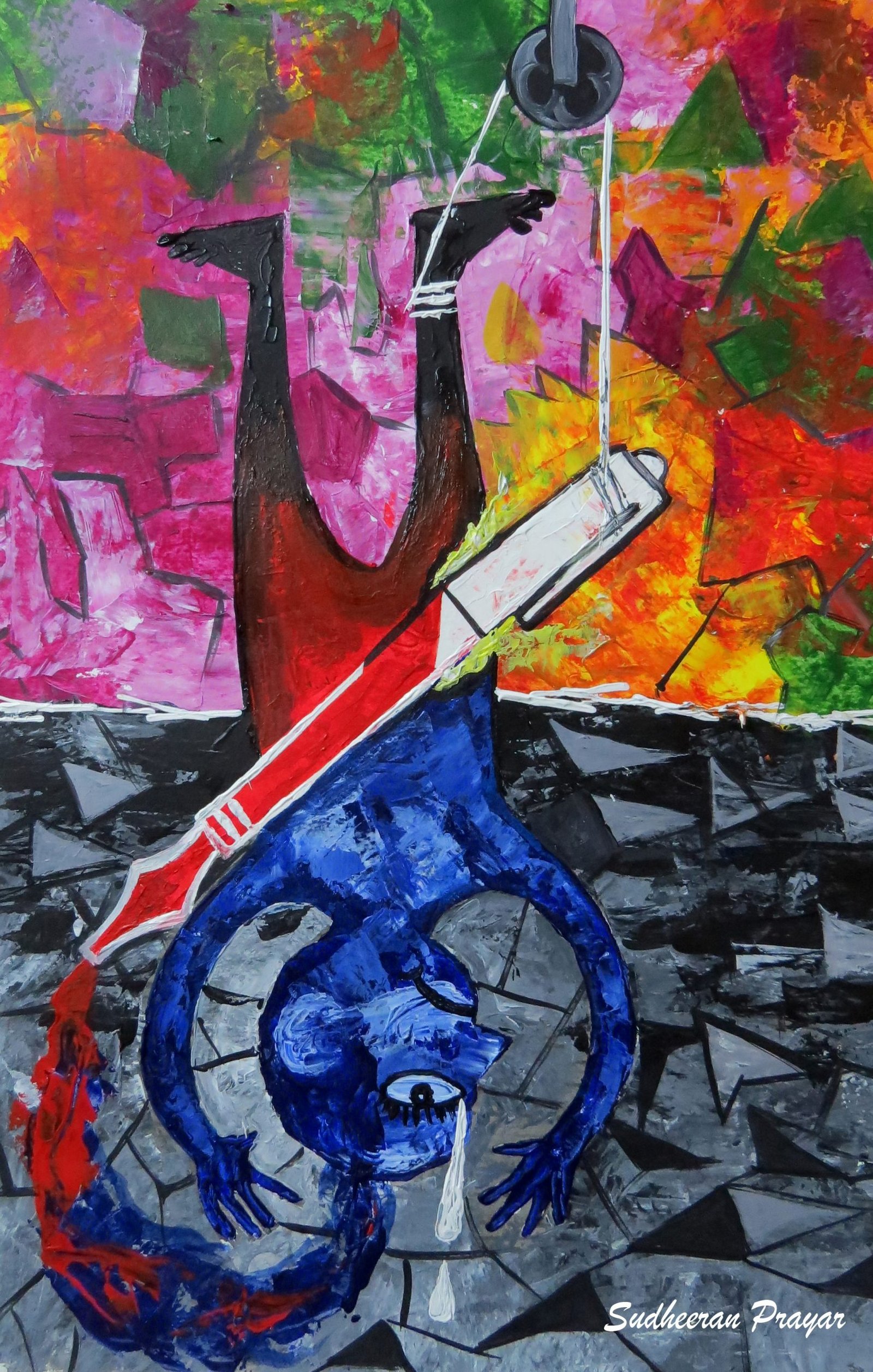
Criticism, when delivered in a harsh or destructive manner, can have detrimental effects on individuals, relationships, and overall well-being. The impact of criticism can be profound, leading to psychological distress, lowered self-esteem, damaged relationships, and decreased performance. The key concepts that contribute to the negative effects of criticism include the psychological mechanisms involved, the communication styles used, and the context in which criticism is delivered.
One of the key psychological mechanisms that make criticism damaging is the concept of negativity bias. Humans are wired to pay more attention to negative information than positive information, which means that criticism tends to have a more significant impact than praise. This bias can lead individuals to internalize criticism more strongly and undermine their self-worth.
Furthermore, the way criticism is communicated plays a crucial role in its impact. Harsh criticism, personal attacks, or constant nagging can trigger defensive mechanisms in individuals, leading to conflict and emotional distress. Moreover, when criticism lacks constructive feedback or is delivered without empathy and understanding, it can hurt relationships and create a hostile environment.
The context in which criticism is delivered also shapes its negative impact. Criticism in a public setting can be humiliating and diminish one’s sense of self-worth. On the other hand, constant criticism in private can erode one’s confidence and motivation over time. Additionally, the power dynamics at play, such as receiving criticism from authority figures or peers, can exacerbate the negative effects and create feelings of powerlessness and resentment.
Only logged in customers who have purchased this product may leave a review.



Reviews
There are no reviews yet.